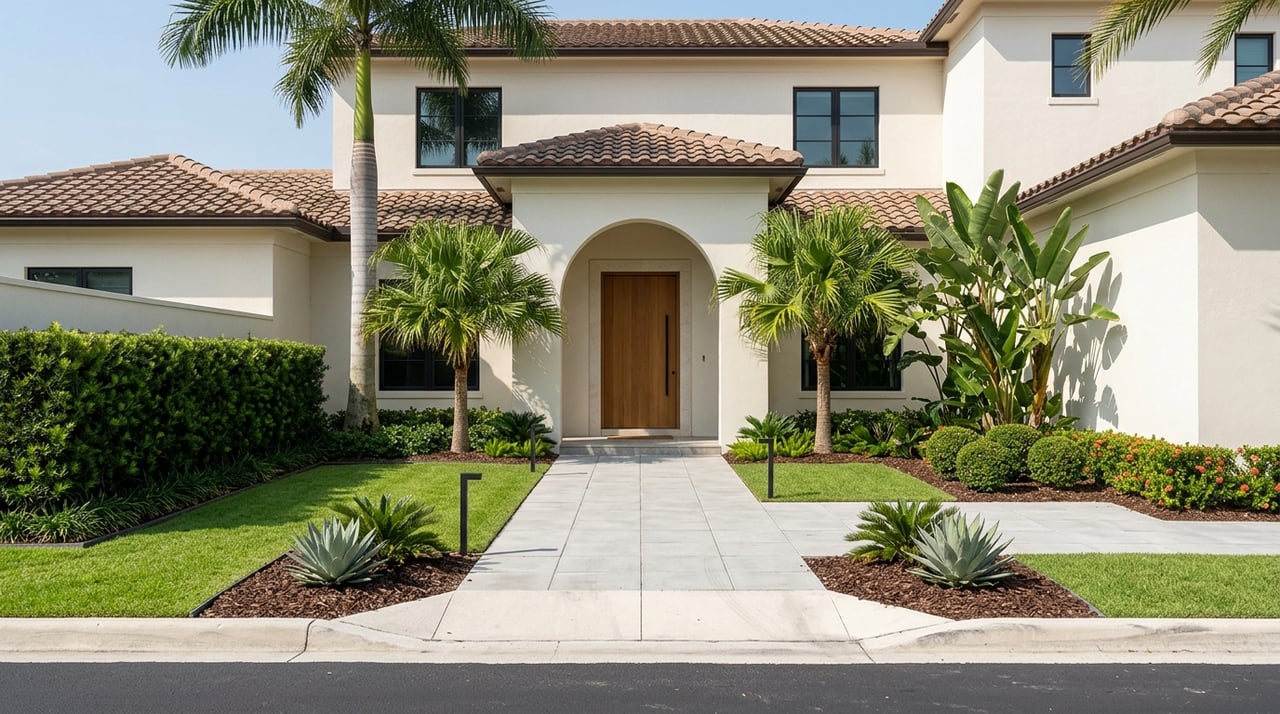
If you are thinking about buying in a gated community in Parkland, you are probably looking for more than a home. You are looking for a lifestyle, a daily routine, and a neighborhood that fits how you actually live. The key is knowing that gated community living in Parkland is not one-size-fits-all, and the details can shape your experience just as much as the house itself. This guide will help you understand what to compare, what to verify, and what questions to ask before you tour or make an offer. Let’s dive in.
What gated living means in Parkland
Parkland is a suburban city in northwest Broward County with about 32,000 residents, nine parks, five public schools, and a park-and-pathway system with trails open from sunrise to sunset. The city describes itself as peaceful and family-friendly, and its public recreation system adds to the lifestyle many buyers are looking for. That matters because private community amenities are only part of the picture here.
Parkland also takes a deliberate approach to growth. The city’s FY2025 budget describes Parkland as a suburban, semi-rural city, with 83% of land use designated residential. In practical terms, that helps explain why so many buyers focus on community design, access, amenities, and neighborhood rules when comparing homes.
Another important point is that Parkland has many separate homeowners associations. The city’s HOA directory includes communities such as The Falls at Parkland, Four Seasons at Parkland, Watercrest, Parkland Bay, Cascata at Miralago, Heron Bay, and MiraLago. So when you shop for a gated home in Parkland, you are usually comparing specific communities, not one standard gated-community experience.
Not all Parkland gated communities feel the same
Some gated neighborhoods in Parkland are built around a resort-style model. Parkland Golf & Country Club is one example, with about 790 acres, 878 single-family homes, and 60 condominium residences in Caseras. Its Sports Club includes a fitness center, resort-style pools, racquet sports courts, Kids Cove, and a poolside café and bar, while golf access is an optional upgrade.
Other communities offer a newer access-controlled setup with a clubhouse and shared amenities, but without the same country club structure. Parkland Bay, for example, has 552 homes, a guardhouse, five mail kiosks, common areas with lakes, a park, and a walking trail. Its Club Grande includes a pool area, fitness center, tot lot, multi-sport courts, a fire pit, bar area, and culinary kitchen.
Then there are communities where the social calendar and rules around amenities are a major part of daily life. The Falls at Parkland is a good example, with recurring resident programming like Mah Jongg Club, Fit Flow, Socrates Cafe, Canasta Club, and Pickleball Open Play. In a community like that, you are not just buying behind a gate. You are buying into a structured environment with shared spaces, scheduled activities, and clear use policies.
What daily life can look like
One of the biggest surprises for buyers is how much routine can be shaped by the association. In some Parkland communities, gate access, guest entry, traffic flow, amenity use, and exterior maintenance are all closely managed. That can feel seamless for some owners and restrictive for others.
For example, Parkland Bay’s policies reference resident gate transponders, guest and vendor access, and speed cameras. That means your day-to-day arrival, deliveries, and visitor access may follow a more structured system than in a non-HOA neighborhood. If convenience matters to you, it is worth asking exactly how the access process works.
Amenity use can also be more scheduled than casual. The Falls at Parkland has rules covering clubhouse hours, pool hours, youth supervision, and reservations for certain amenities like pickleball and bocce. At Parkland Golf & Country Club, access is tied to membership type, with resident sports membership required and golf offered separately.
Understand what your dues actually cover
This is one of the most important questions you can ask. In Parkland, dues are not always as simple as one monthly payment covering everything. Some communities bundle more services and amenities into HOA fees, while others split costs across HOA and club or membership charges.
Parkland Golf & Country Club requires resident Sports Membership, with golf available as an optional upgrade. Parkland Bay’s homeowner packet states that HOA and clubhouse payments are separate at this time. If you are comparing two homes with similar price points, that difference alone can change the true monthly cost of ownership.
It also helps to ask what services are included at the property level. In Parkland Bay, the association states that it cuts common grounds and individual-home landscaping 34 times per year, trims hedges and plant material 12 times per year, treats weeds 12 times per year, trims tree limbs monthly, and waters homes twice weekly. At the same time, homeowners remain responsible for landscaping on their own lots, and pest control is not provided for individual homes.
Rules matter more than many buyers expect
Most gated neighborhoods in Parkland are governed by homeowners associations, and Florida law gives those associations real authority. Under Chapter 720, a homeowners’ association is a mandatory-membership Florida corporation that can impose assessments, and unpaid assessments can become liens on the parcel. The law also covers budgets, official records, meetings, fines, and suspension of use rights after notice and a hearing.
That does not mean every community operates the same way. It means the governing documents matter, and the association’s powers are not just informal suggestions. Before you buy, you should review the declaration, rules, budget information, and any published guidelines that affect the property.
Architectural review is one of the most common friction points. Florida law limits approval authority to what the declaration and published guidelines actually authorize, but communities can still require detailed applications. In Parkland Bay, the ACC process can take about 30 days and may require surveys, photos, plans, specifications, contractor insurance, and other documents before work can begin.
Leasing and paperwork can affect flexibility
If you may rent the property in the future, do not assume every community handles leasing the same way. Some associations have separate lease guidelines, tenant review procedures, and management portals that add time and paperwork. That can be especially important for second-home buyers, future investors, or owners who want flexibility later.
Watercrest at Parkland, for example, routes estoppel and questionnaire requests through an online portal and uses a tenant-evaluation process for leases that can take 30 days. Parkland Bay’s public documents also include lease guidelines, tenant evaluation materials, estoppel requests, and meeting-conduct rules. If rental potential matters to you, verify the actual process before you commit.
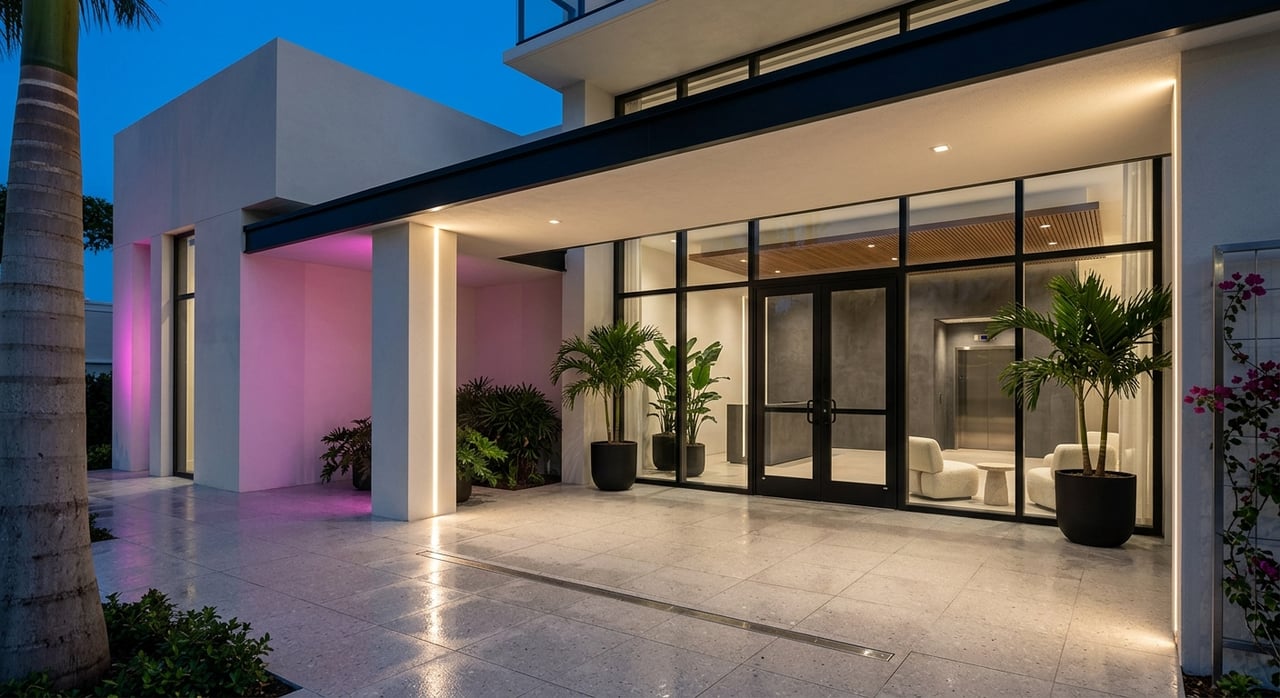
This is also where an organized, detail-focused buying strategy matters. A beautiful entrance and great clubhouse can draw attention quickly, but the day-to-day ownership terms deserve the same level of review. The goal is to know what you are buying, not just what you are seeing.
Single-family home, townhouse, or condo?
Inside a gated community, the legal structure of the property matters. A single-family home in an HOA and a condo inside a gated development may look similar from the street, but the ownership experience can be very different. That difference affects records, reserves, maintenance obligations, and financial planning.
If the property is a condominium, Chapter 718 applies. Condominium associations must maintain official records, and their budgets must include reserve accounts for capital expenditures and deferred maintenance, with applicable communities also subject to reserve-study requirements. If the property is an HOA parcel, Chapter 720 applies instead, with different rules around records, assessments, and enforcement.
For buyers, this is not a small technical detail. It shapes what you are responsible for, how the association budgets for future expenses, and how ownership may feel over time. Always confirm the property type early in your search.
A smart Parkland touring checklist
Before you fall in love with a home, ask questions that help you compare communities clearly.
- What are the HOA dues, and are there separate club or membership fees?
- What amenities are included, and which require an added payment?
- How does guest, vendor, and resident gate access work?
- Are there restrictions on leasing, and how long does approval take?
- What exterior changes require approval?
- How long does the architectural review process usually take?
- What maintenance is included, and what remains your responsibility?
- Is the property a single-family home, townhouse, or condominium?
- Are amenity reservations, supervision rules, or scheduled use policies part of daily life?
These questions help you compare value more accurately. In Parkland, the right fit often comes down to dues, maintenance scope, access systems, and amenity structure just as much as home size or finishes.
Why local guidance matters in Parkland
Because Parkland’s gated communities vary so much, a strong buying strategy is about more than finding available listings. You need to compare the lifestyle tradeoffs, the ownership structure, and the real monthly cost behind the gates. That is especially true if you are balancing lifestyle goals with long-term value.
In a market like this, local knowledge helps you move past the surface. A polished clubhouse, a guarded entrance, or a resort-style pool can create a strong first impression, but the smarter decision comes from understanding how the community actually functions. That kind of clarity can save you time, reduce surprises, and help you buy with confidence.
If you want help comparing gated communities in Parkland or narrowing down the right fit for your goals, connect with Alexa Soto. She brings a strategic, detail-driven approach to South Florida real estate so you can make a smart move with confidence.
FAQs
What should you ask before buying in a gated community in Parkland?
- Ask what the dues cover, whether there are separate club fees, how guest access works, what maintenance is included, whether leasing is allowed, and how architectural approvals are handled.
How do HOA fees work in Parkland gated communities?
- HOA costs vary by community, and some neighborhoods include separate clubhouse or membership charges instead of one all-in fee.
What is daily life like in a Parkland gated neighborhood?
- Daily life can include gate transponders, guest-entry procedures, speed policies, scheduled amenity hours, reservations for certain facilities, and community-specific rules.
Why does property type matter in a Parkland gated community?
- A single-family home in an HOA and a condo inside a gated development can have different legal rules, budget structures, reserve requirements, and ownership obligations.
Can you rent out a home in a gated community in Parkland?
- Some communities allow leasing, but the process may include lease guidelines, tenant evaluation, management review, and timing requirements that you should confirm before buying.