Wondering why some Parkland homes create instant interest while others sit long enough to invite price cuts? In a market where buyers often compare several polished listings at once, preparation is not just a nice extra. It is one of the clearest ways to protect your price, reduce friction, and make your home stand out from day one. Let’s dive in.
Why prep matters in Parkland
Parkland is a high-value Broward County market, but it is not a place where sellers can assume strong pricing alone will do the work. Current market trackers show a premium price point, with median figures ranging from about $1.06 million to $1.35 million depending on the source, and reported time on market ranging from roughly 28 to 68 days.
That spread tells you something important. Presentation, pricing, and condition can shape your result. In a somewhat competitive market, the goal is not just to list your home. The goal is to launch it in a way that avoids stale-market drag and keeps buyers focused on value.
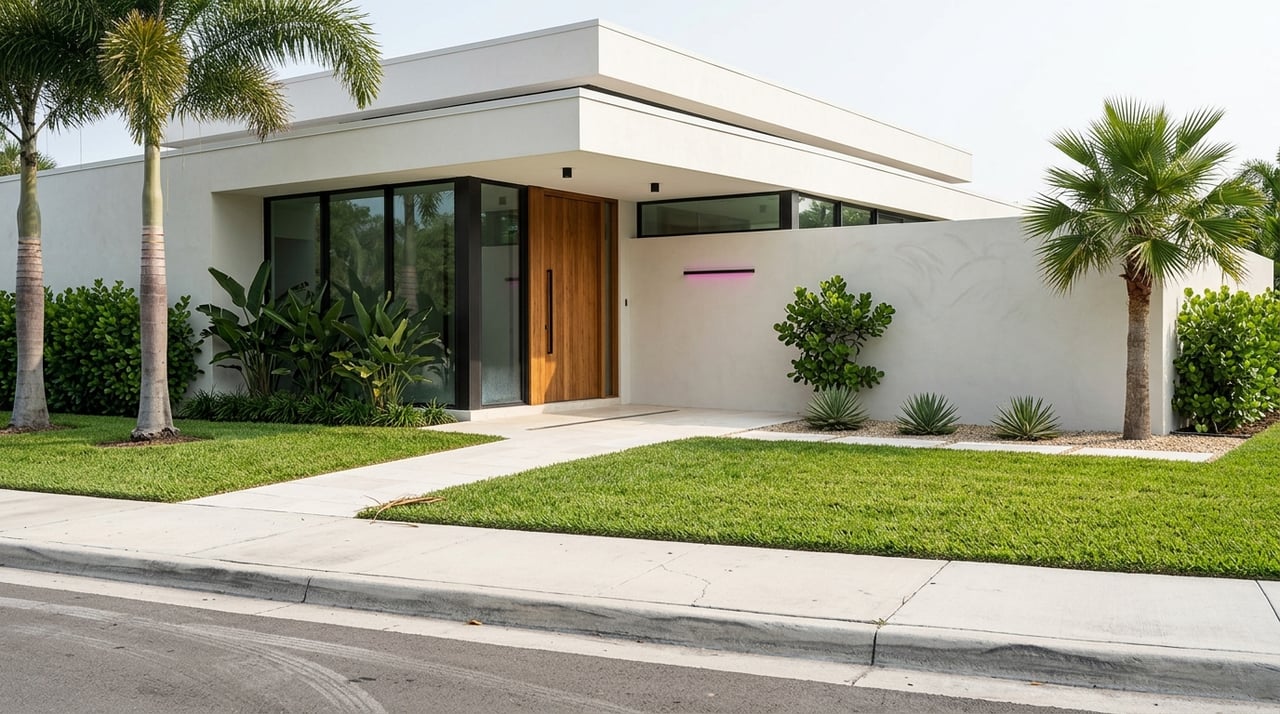
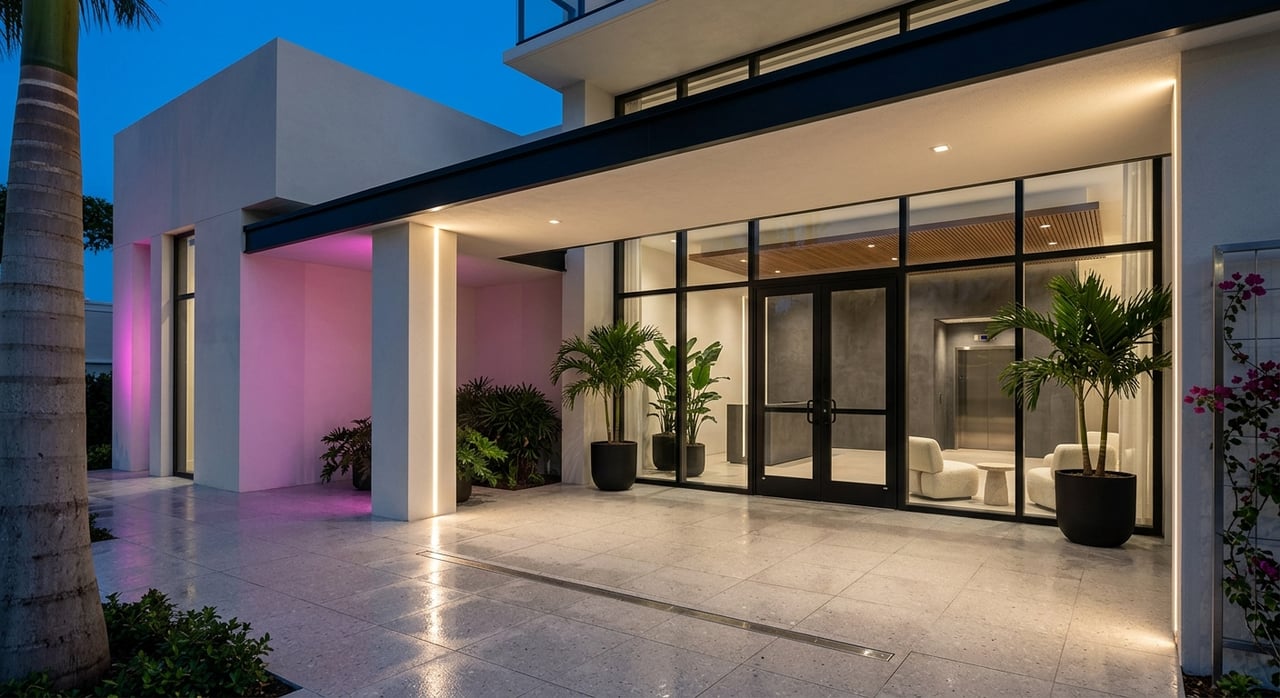
Start with first impressions
Your home begins showing before anyone walks through the front door. Online photos, video, and virtual tours often determine whether a buyer schedules a visit or scrolls past.
That is especially true in a higher-end market like Parkland, where buyers may compare several similar homes before choosing which ones to tour. If your home feels brighter, cleaner, and easier to imagine living in, you gain an edge early.
Focus on clean, bright, and neutral
The highest-impact cosmetic work is usually simple and strategic. You do not need to over-renovate to improve how your home shows.
Start with the basics:
- Declutter surfaces, closets, and storage areas
- Deep clean every room
- Pack away personal photos and highly specific décor
- Use neutral paint where walls feel bold, dark, or worn
- Remove bulky furniture that makes rooms feel smaller
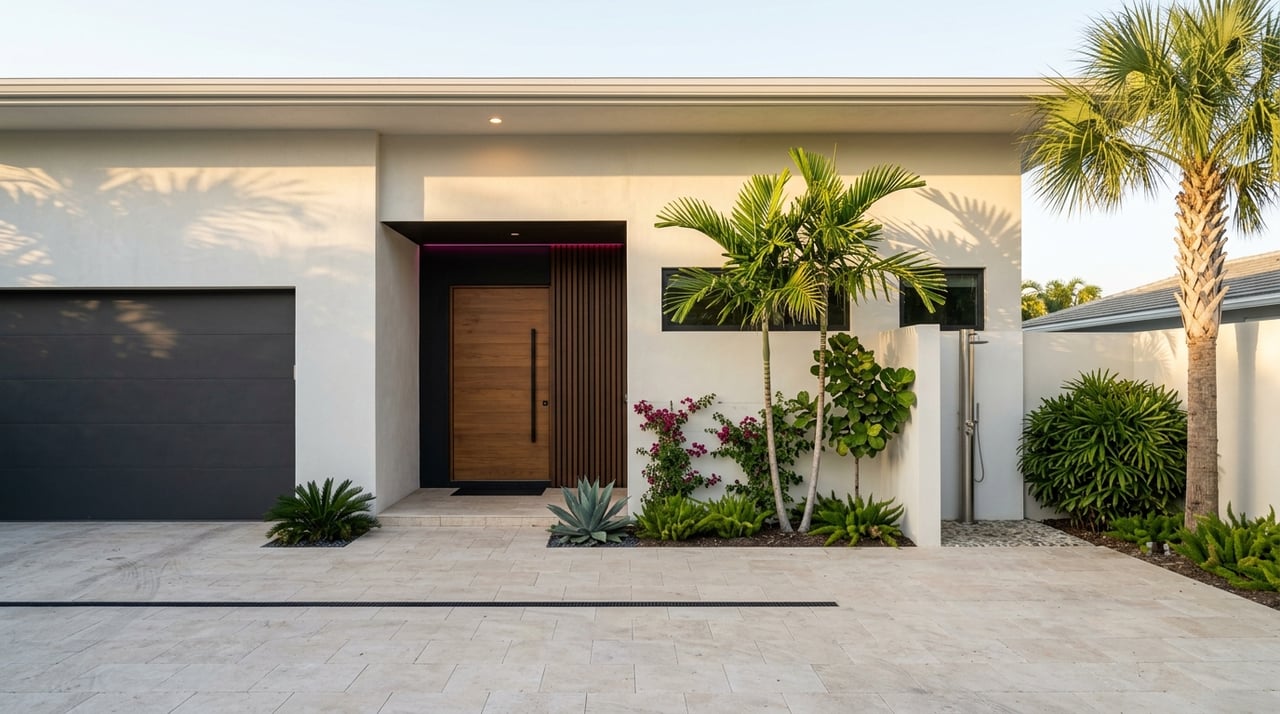
- Refresh the entry with tidy landscaping and simple décor
These changes help buyers focus on the home itself instead of your belongings or deferred maintenance.
Stage the rooms that matter most
Staging can help buyers connect emotionally to a space. According to the National Association of Realtors’ 2025 staging report, 83% of buyers’ agents said staging makes it easier for buyers to visualize a property as their future home.
The same report found that 29% of agents said staged homes received 1% to 10% more in dollar value offered, and nearly half of seller agents said staging reduced time on market. The most commonly staged rooms were the living room, primary bedroom, dining room, and kitchen.
If you are deciding where to invest, start there. In many cases, editing furnishings and improving flow in those spaces creates more impact than taking on larger cosmetic projects.
Treat marketing prep as listing prep
Photos are not the last step. They are part of the preparation process.
Buyers’ agents rank photos, physical staging, video, and virtual tours as highly important. That means your home should be fully cleaned, staged, repaired, and styled before the camera comes out, not after.
Prepare for professional visuals
Before photography day, make sure:
- Light bulbs match and all fixtures work
- Window glass is clean
- Countertops are mostly clear
- Cords, pet items, and excess small décor are put away
- Beds are neatly made with simple linens
- Outdoor furniture is cleaned and arranged
- The driveway, walkway, and entry are swept
If virtual staging is used for vacant or lightly furnished rooms, any material photo enhancement that changes the property’s appearance should be disclosed so buyers are not misled.
Handle inspections before buyers do
One of the smartest ways to prepare your Parkland home is to find issues before a buyer, inspector, or insurance underwriter does. A pre-list inspection can uncover friction points early, giving you time to decide what to repair, document, or price around.
This matters in South Florida, where condition can affect not only buyer confidence but also insurance review.
Prioritize the systems buyers and insurers notice
A pre-list inspection should pay close attention to:
- Roof
- Plumbing
- Electrical systems
- HVAC
- Windows and doors
- Visible water intrusion or moisture issues
Florida insurance guidance notes that older homes may require a 4-point inspection focused on the roof, plumbing, electrical wiring, and HVAC. Wind-mitigation inspections can also identify features that may qualify for premium credits.
If you already have mitigation documentation, gather it early. The Uniform Mitigation Verification Inspection Form was updated effective April 1, 2026 and is valid for up to five years if no material changes are made to the structure.
Fix visible maintenance issues
In South Florida, visible condition matters. Florida guidance notes that insurers may consider unrepaired damage, overgrown landscaping, dead limbs near the home, and other maintenance issues when evaluating a property.
That makes seller prep more practical than cosmetic. Fix obvious defects, trim back landscaping, replace damaged screens or fixtures, and address anything that suggests neglect.
Keep repair records organized
Once work is completed, save the paperwork. Buyers feel more confident when you can show invoices, warranties, receipts, and proof of professional repairs.
That documentation can also help smooth questions during inspection, underwriting, and closing.
Plan for flood and storm-season concerns
Parkland sellers should think beyond surface-level prep. Weather and water are real parts of the local conversation.
The City of Parkland notes that many residents live in or near a Special Flood Hazard Area, that flood insurance may be required or elected, and that flooding is not covered by most homeowner policies.
Gather flood-related information early
Before listing, take time to assemble any flood-related details a buyer may ask about, such as:
- Current flood insurance information, if applicable
- Past flood-related claims, if any
- Records of repairs tied to water intrusion or drainage issues
- Elevation or mitigation documents you already have
Florida also requires a flood disclosure at or before contract execution. In a city where flooding is an active local concern, transparency matters.
Prep early during hurricane season
Florida’s hurricane season runs from June 1 to November 30. If you plan to list during that window, exterior work should happen as early as possible.
Roof touchups, drainage corrections, tree trimming, and exterior repairs can become harder to schedule once storms are active. Early prep also gives you time to gather documentation related to storm protection or mitigation features.
Check permits before you go live
Permit history is one of the easiest issues to overlook and one of the most frustrating to untangle late in a transaction. If you have completed renovations or major improvements, verify that permits were properly finalized.
Broward County provides a permit-by-address search, and open permits in its jurisdiction require additional review before closing out.
Review work that commonly raises questions
Take a close look at past:
- Roof work
- Pool work
- Additions
- Window and door replacements
- Electrical updates
- HVAC replacements
- Kitchen and bath renovations
If a permit is still open, address it before listing when possible. Solving that issue early can prevent delays once you are under contract.
Build your disclosure packet now
Well-prepared sellers do not wait until contract time to gather paperwork. They start building the file before the listing goes live.
That approach reduces stress and helps you respond quickly once offers come in.
Include required Florida disclosures
For residential sales in Florida, the buyer must receive a property-tax disclosure summary at or before contract execution. The form warns buyers not to rely on the seller’s current taxes because a change in ownership or improvements can trigger reassessment.
Florida also requires a flood disclosure at or before contract execution. If flood claims or flood assistance apply to your property history, gather that information early so nothing is rushed later.
Understand condition disclosure expectations
Even when a sale is structured "as is," sellers in Florida still need to disclose known facts that materially affect value and are not readily observable to the buyer.
Depending on the home, that could include things like hidden leaks, prior structural issues, unresolved water intrusion, or known defects in major systems. For homes built before 1978, federal rules generally require disclosure of known lead-based paint hazards, delivery of the EPA pamphlet, and an opportunity for a lead inspection. Florida also requires disclosure of known sanitary sewer lateral defects.
What gives you the best return
Many sellers ask which renovation delivers the highest return. In Parkland, a better question is often: What reduces friction the most?
In many cases, the answer is not a full remodel. It is the combination of clean presentation, targeted staging, visible maintenance, inspection readiness, insurance-friendly condition, and complete documentation.
That is how you create a smoother path from listing to closing. It is also how you support stronger pricing and better negotiations.
A smart Parkland listing plan
If you want maximum impact, think of your listing as a launch, not a deadline. The strongest results often come from a plan that handles presentation, risk reduction, and paperwork before the home ever hits the market.
In Parkland, that means showing buyers a home that feels cared for, easy to understand, and ready for the next chapter. If you want a polished, strategic plan for your sale, connect with Alexa Soto for guidance that combines elevated presentation with sharp market strategy.
FAQs
What should you fix before listing a home in Parkland?
- Focus first on visible maintenance issues, roof or system concerns, cleanliness, landscaping, and any defects that could raise red flags during inspection or insurance review.
Is home staging worth it for a Parkland seller?
- Often, yes. Staging can help buyers visualize the home, may improve offered value, and can reduce time on market, especially in key rooms like the living room, primary bedroom, dining room, and kitchen.
Should you get a pre-list inspection before selling in Parkland?
- A pre-list inspection can be a smart move because it helps you identify roof, plumbing, electrical, HVAC, and moisture issues before a buyer discovers them.
What disclosures do Florida sellers need before closing a Parkland home sale?
- Florida sellers should be ready to provide the property-tax disclosure summary and flood disclosure at or before contract execution, along with any other required condition-related disclosures that apply to the property.
Why do permits matter when selling a Parkland home?
- Open or incomplete permits can delay closing, so it is wise to verify that past work like roof, pool, addition, or renovation projects was properly permitted and finalized.
How does hurricane season affect listing prep in Parkland?
- If you plan to list between June 1 and November 30, it is smart to complete exterior repairs, roof touchups, tree trimming, and storm-related documentation as early as possible.